Pledge-per-mile fundraising, explained
Instead of asking for a number, you ask for a rate: a few cents for every mile you ride. The donation grows with the effort — and every training ride becomes part of the campaign.
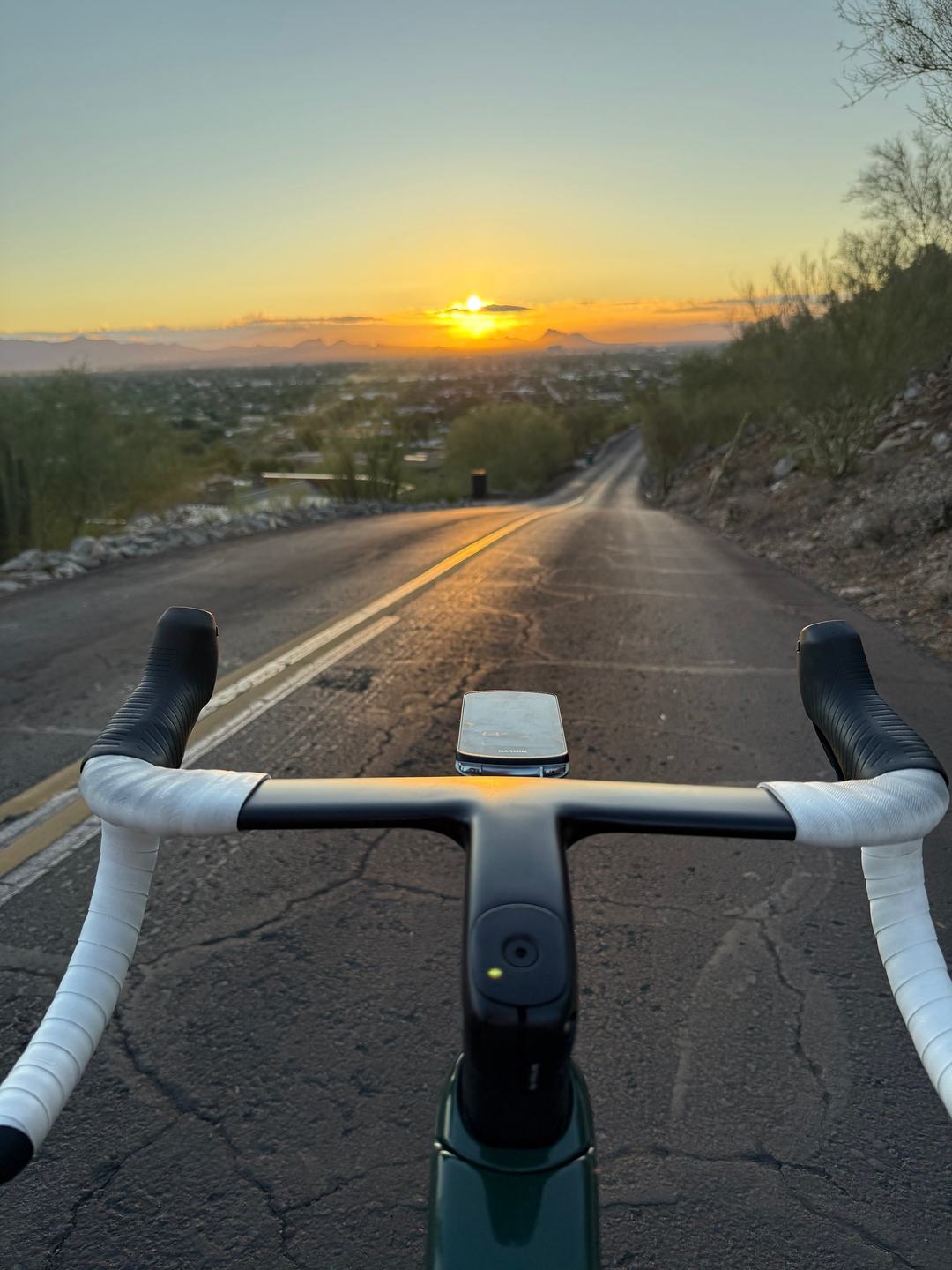
Standard charity fundraising asks for a fixed gift. Pledge-per-mile flips it: a donor commits to, say, five cents a mile, and the total follows the riding. 1,000 miles later, that’s $50 — earned a mile at a time, in public.
Why it works
It ties the money to the effort. A donor who pledges per mile checks your tally. They’re invested in your Tuesday ride. The relationship inverts — instead of you chasing donors, your donors start chasing your miles.
It also lowers the barrier. “Two cents a mile” sounds like nothing; across a 10,000-mile year it’s $200. People say yes to rates who’d hesitate at totals.
How to run a pledge-per-mile fundraiser
You need three things: a public, trustworthy mileage count (a live tally fed by your ride tracker — screenshots don’t cut it); a clear cap or settlement date so pledgers know when they give; and radical clarity about where money goes.
I ride 10,000 miles in 2027 and the count is public, fed by Strava. The money goes through the orgs’ own rides — I don’t take pledges here. But if you run a campaign, those three things are the whole job.
A pledge is a bet on somebody finishing. That’s a better relationship than a receipt.
Want to see what a public count looks like? Mine — every ride since June 1, written down.
I’d like to say I ride for everyone else. I ride because it changed me.
In 2027 I ride 10,000 miles, all on the bike, and every ride gets written down. The money goes through the orgs’ own rides. It never touches me.